Blog / · 2 min read
The Jews of Corfu: how an independent documentary was made in 17 months
From an interview at the Corfu synagogue in 2017 to the Thessaloniki Documentary Festival: how The Jews of Corfu was made, with no outside funding.
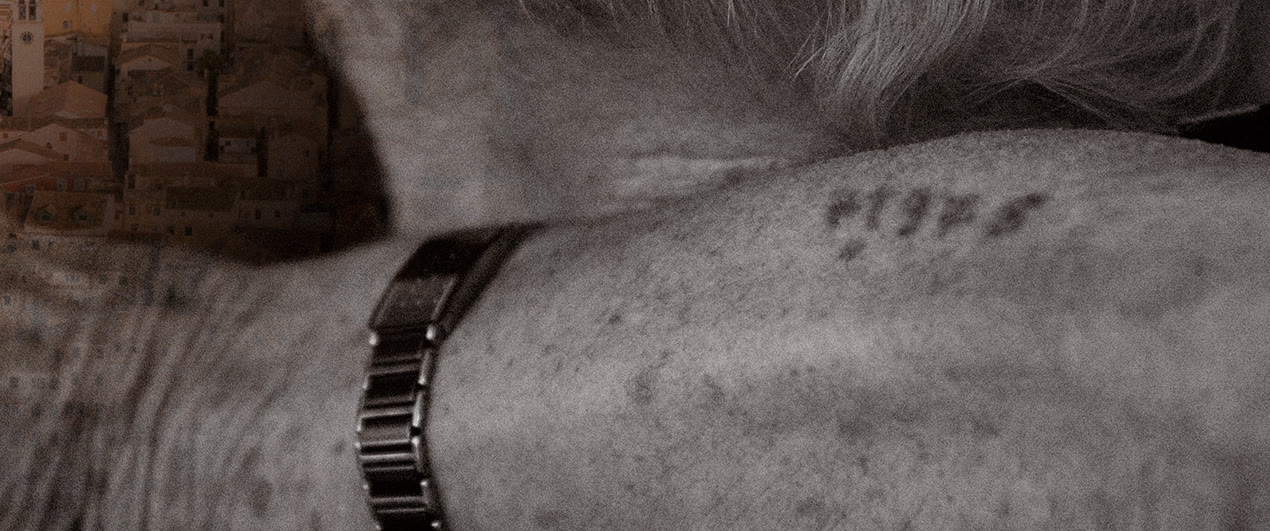
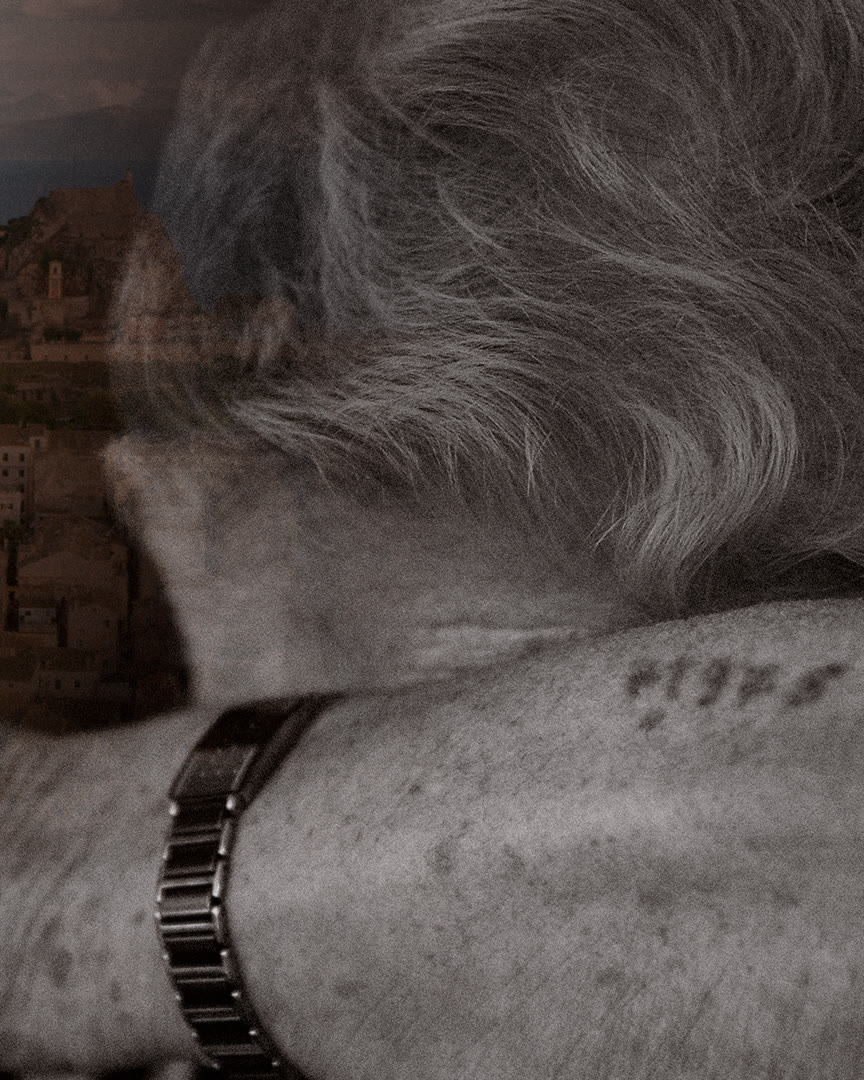
The Jews of Corfu (2022) is a 49-minute documentary about a community that, for centuries, was part of the island's trade, its economy and its everyday life. It follows that life, its destruction in the Holocaust, and the fate of those who came back from Auschwitz. The full film is free to watch on this site.
Where it started
In 2017 I was working as a camera operator for local television. We filmed an interview with Nina Vital at the synagogue, and that is where I first learned about the history of the Jews of Corfu, and about Albert Cohen in particular. I started searching straight away, because I wanted to know more.
From an idea to a film
In 2020 the pandemic shut us all indoors. At a meeting with my friend Maria Boua, I shared what had been on my mind about this community: I wanted us to do something, to learn the history of the Jews of Corfu and to make a documentary about it. And that is what happened.
Friends in Corfu put me in touch with members of the community. We met with all of them together and gathered the first information, and then the deeper research began. Maria Boua, in turn, asked the university for help, and got it. Once we had enough material, we started the interviews and set up everything for the shoot.
Three testimonies
The film is built on the testimonies of three members of Corfu's Jewish community, Nina Vital, Zacharias Matathias and Linos Sousis. Nina Vital's interview in 2017 is where it all began. The interviews for the film started in August 2020.
Seventeen months, no outside funding
Research and the collection of photographs ran alongside the interviews until the film was finished in January 2022, seventeen months later. There was no outside funding. The team was small:
- Direction, cinematography and editing: Mirjan Gjergjevica
- Co-writing, co-production and original music: Maria Boua
- Historical research: Maria Boua and Christianna Latsa
- Narration: Yannis Andriotis
- Production: Mirjan Films
With a team this size, the person who films an interview is also the person who edits it.
Festivals and press
In 2022 the film was selected for the 24th Thessaloniki Documentary Festival, in the Greek programme, and screened in the virtual programme of the 19th San Francisco Greek Film Festival in April 2022.
It was covered by ERT, LiFO, Euronews, Athinorama and Enimerosi, and reviewed by Michel van der Burg on 1-MEMO.
Free to watch, free to screen
Since 12 October 2024 the full film has been free on YouTube, and anyone who wants to can screen it from there: a school, a university, a museum, a community. You can watch it here.
The next film
If your community, museum or organisation has a story that needs to be kept, the same way of working is available on commission: documentaries on commission, or simply write to me.